FAQ
FAQ Versand & Rücksendungen
 Kontaktieren Sie uns


Our newest member to the collection
The World’s First 100% Organic Pad
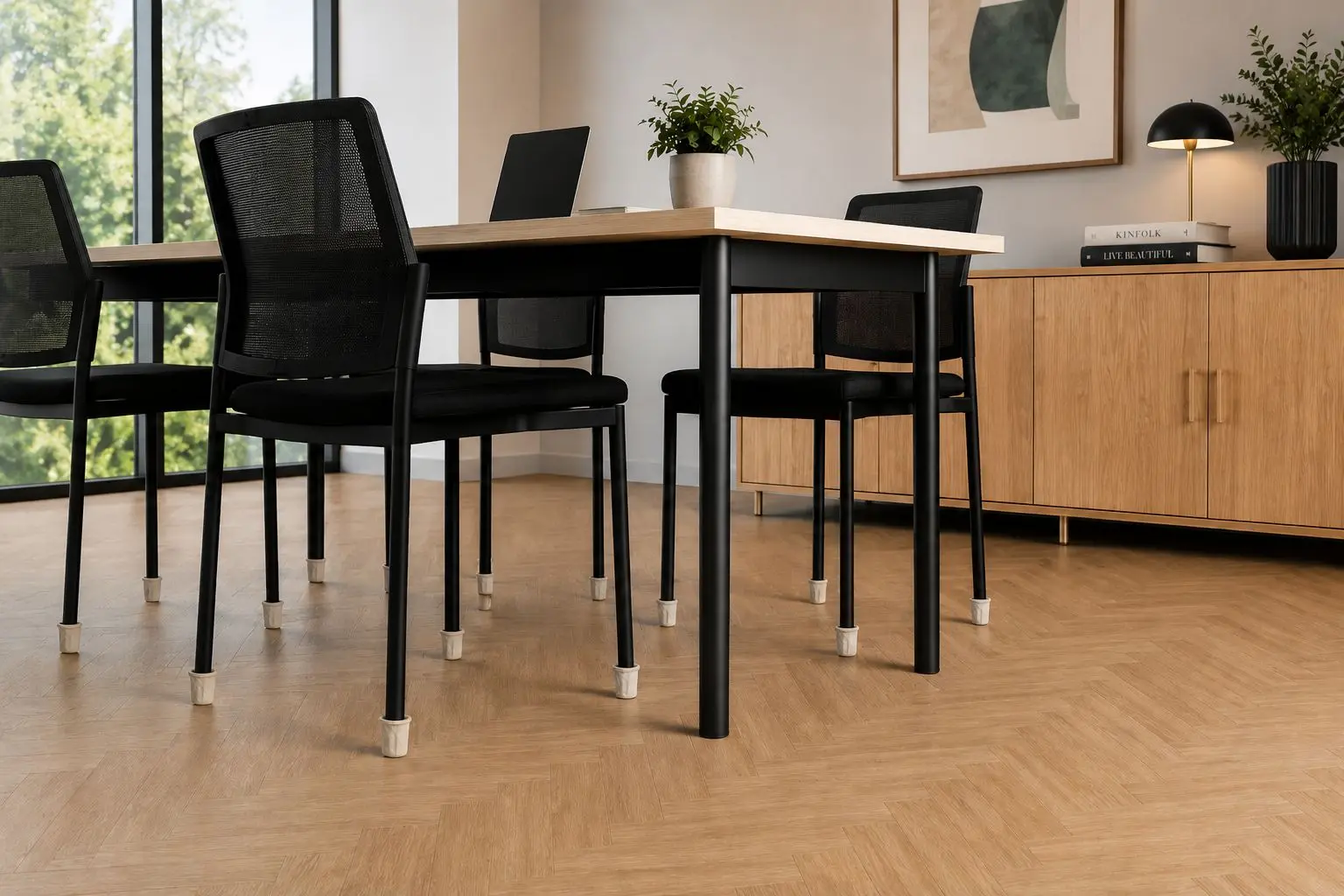
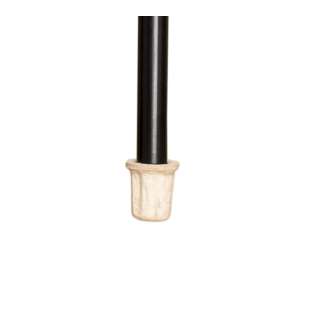
Designed to challenge conventional furniture protection, our Paper Pad is created to be one of the world’s first 100% organic furniture pads — combining natural materials, everyday functionality, and responsible design in a completely new way.
Our Paper Pad offers a more sustainable alternative to traditional synthetic pads while delivering the durability, smooth movement, and floor protection needed for modern living.
Key Benefits of Using the PaperPad
Unlike conventional furniture pads made from synthetic plastics or rubber-based materials, our Paper Pad delivers everyday performance with a significantly smaller environmental footprint.
Key Benefits
- 100% Organic Construction made entirely from natural paper-based materials.
- Plastic-Free Alternative that helps reduce reliance on petroleum-based furniture protectors.
- Protects Hard Floors from scratches, dents, and everyday wear.
- Smooth Furniture Movement for chairs, tables, and lightweight furniture.
- Reduces Noise by minimizing scraping sounds when furniture is moved.
- Recyclable After Use when clean and uncontaminated.
- Helps Extend the Life of Furniture and Flooring by reducing friction and surface damage.
- Lightweight Yet Durable for everyday use.
Whether you're furnishing a modern home, corporate office, café, or hospitality space, the FurnitureWear Paper Pad offers a smarter, cleaner, and more responsible way to protect your floors.
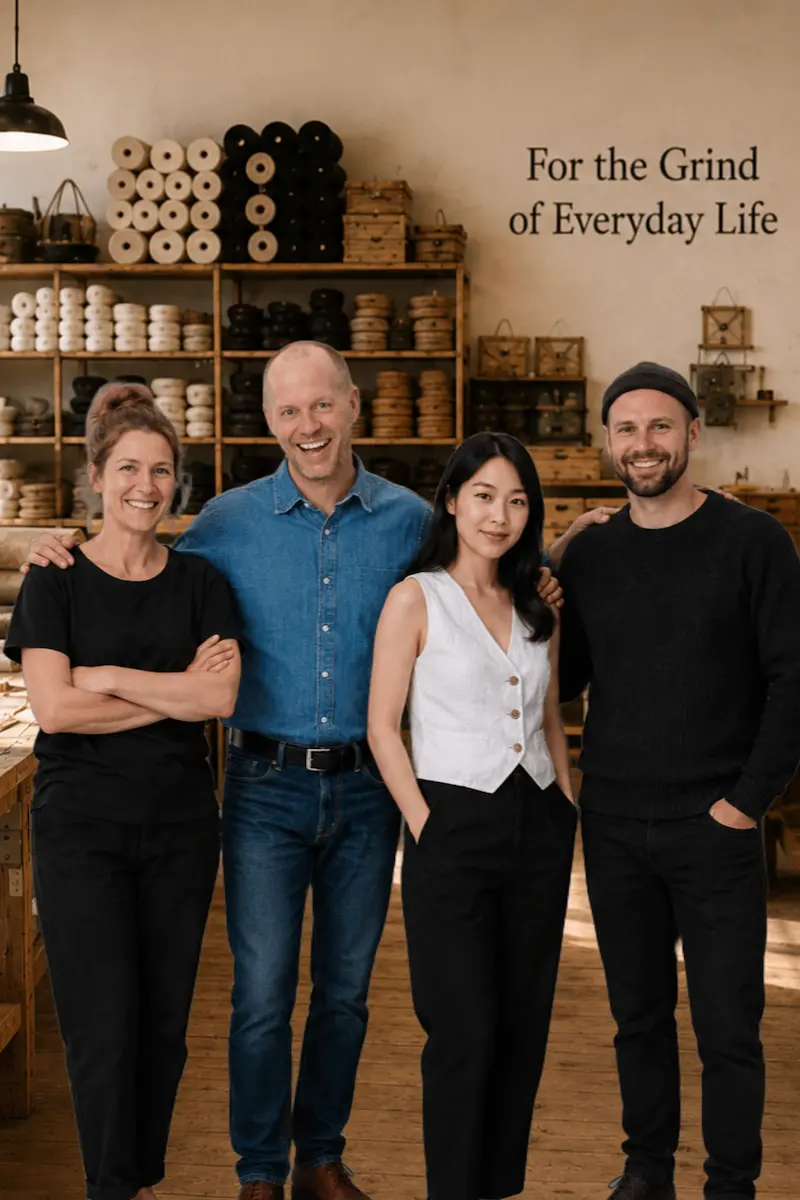
This Is Our Story
What drives us forward
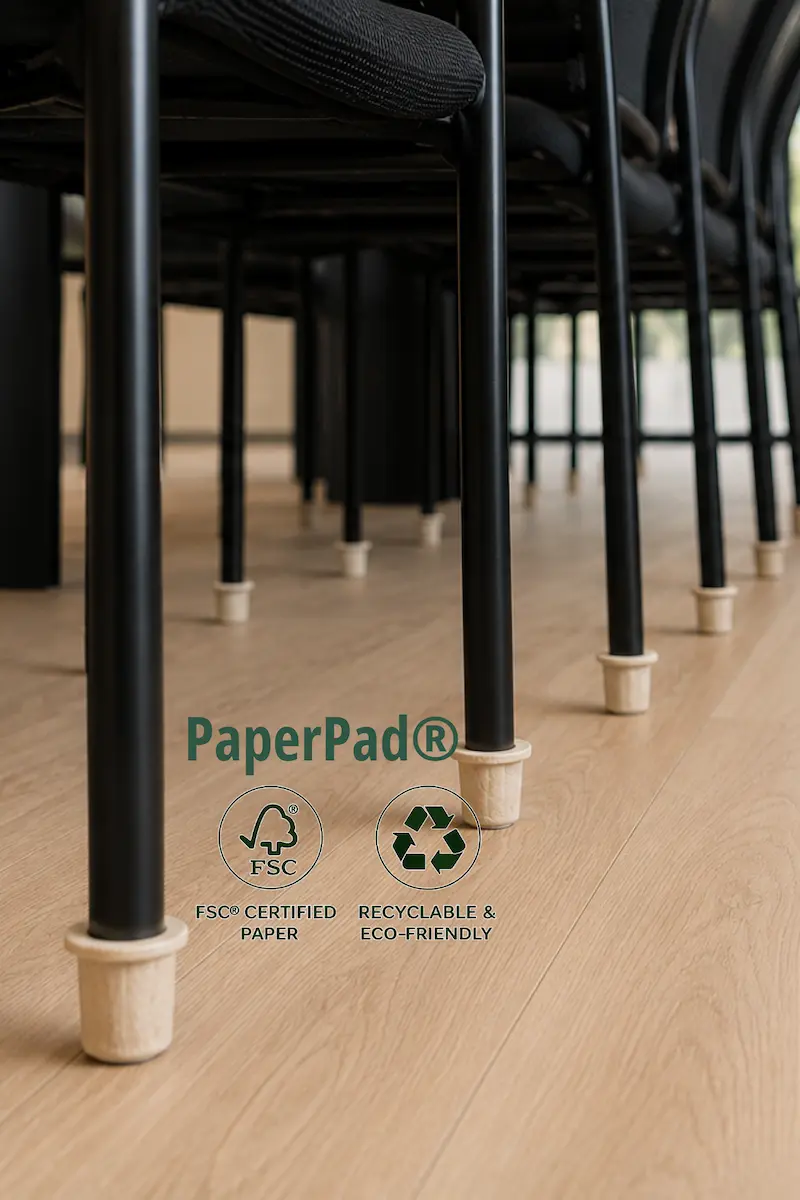
Meet our new member
We're going 100% organic
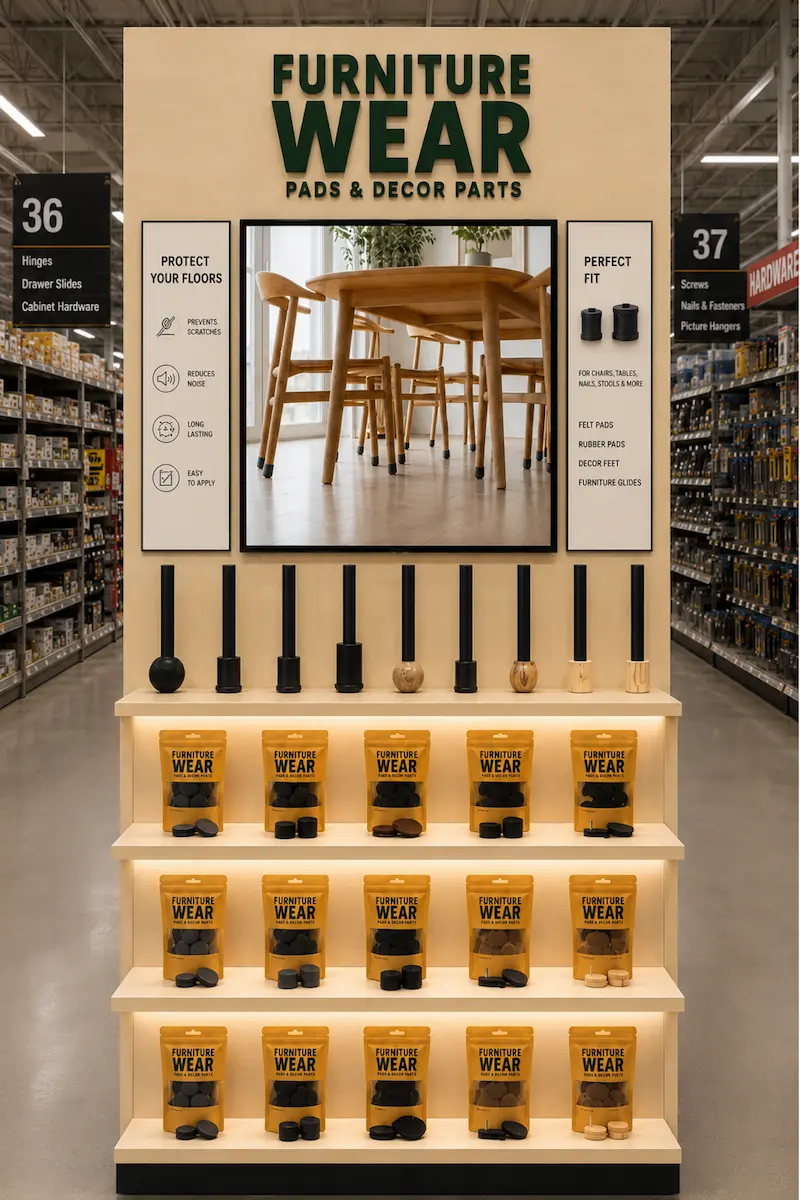
Retailers
Soon in a Hardware store near you
You may also like





UNSERE BESTSELLER

10K+
Happy customers

20+
Countries

4.8/5
Average rating

30-DAY
Hassle-free returns