
.jpg)
Crash Course in Furniture Pads: Everything You Need To Know
What Are Furniture Pads?
Furniture pads come in various shapes and forms and materials. There are many names and functionalities within the Furniture Pads Category - and here we try to define and give you some more clarity what the differences are, and the main reason for you to dive into the topic. This crash course in furniture pads is designed to help you understand the differences, choose the right materials, and protect your floors with confidence.
The Difference Between Coasters, Pads, and Glides
|
Feature |
Furniture Coasters |
Furniture Pads |
Furniture Glides |
|
Purpose |
Distribute weight to prevent dents in floors or carpet |
Cushion and protect floors from scratches, reduce noise |
Allow furniture to slide smoothly without damaging floors |
|
Design |
Hard discs placed under furniture legs |
Soft materials (felt, cork, rubber) attached to furniture bottoms |
Small attachments (plastic, metal, or felt-bottomed) fixed to legs |
|
Best Use |
Heavy, stationary items like beds, pianos, cabinets |
Everyday movable furniture like chairs, tables, sofas |
Chairs or furniture that need frequent repositioning |
|
Mobility |
Keep furniture stable, sometimes allow slight repositioning |
Reduce sliding, keep furniture in place |
Make moving furniture easier and smoother |
|
Materials |
Plastic, wood, rubber |
Felt, cork, rubber, adhesive-backed |
Plastic, metal, felt, or nylon |
Why Furniture Pads Matter for Your Floors
Furniture pads act as a protective barrier between your furniture and floors, cushioning the impact of daily movement while distributing weight evenly across a larger surface area. Unlike bare furniture legs that concentrate hundreds of pounds onto small points, creating scratches, dents, and permanent indentations in hardwood, tile, or laminate floors, quality furniture pads absorb both static pressure and the friction from sliding chairs or shifting sofas. They prevent the gradual wear that occurs from micro-movements, protect against moisture damage between furniture legs and floors, and eliminate the annoying scraping sounds that come with moving furniture around. When you consider that refinishing damaged floors can cost thousands of dollars, furniture pads are one of the most cost-effective investments you can make to preserve your flooring, maintain your home's resale value, and extend the life of your furniture itself.
What Makes Great Furniture Pads
Strength and Durability
A great piece of furniture pad must be able to withstand the full weight of heavy furniture without cracking or warping. Durable materials such as hardwood, reinforced plastic, or thick rubber ensure that the coaster lasts for years and continues to protect your floors effectively.
Non-Slip Grip
Furniture pads should keep furniture stable and prevent unwanted sliding. A textured or rubberized bottom provides grip on smooth surfaces like hardwood or tile, ensuring that furniture stays securely in place even when bumped or moved slightly.
Scratch Resistance
Protecting delicate flooring is one of the main jobs of a furniture pad. High-quality pads have smooth edges and protective surfaces, often lined with felt or rubber that prevent scratches, scuffs, or gouges when furniture shifts.
Floor Compatibility
Not all floors are the same, so the best furniture pads are designed with specific surfaces in mind. For hardwood, felt or rubber bottoms are ideal. For tile or laminate, rubber or plastic with grip works best. On carpet, wide, flat pads distribute weight evenly to avoid dents.
Ease of Movement
Some pads are designed to make moving furniture easier without damaging floors. These are especially useful when rearranging rooms or cleaning under heavy items, as they allow furniture to glide smoothly while still offering protection.
Aesthetic Appeal
Beyond function, furniture pads should blend with your furniture and décor. Options in wood, metal, or decorative finishes can complement your interior style, ensuring that protection doesn’t come at the cost of appearance.
In essence, great furniture pads combine durability, grip, floor protection, and style. They not only safeguard your floors but also make living with heavy furniture more practical and visually pleasing.
Furniture Pad Materials Explained
In order for you to get an answer to this question you need to consider what you want to use your furniture pad on as well as where the object is located. Here is a short list of when different materials should be used:
Rubber: Non-slip function, perfect when you want your furniture to remain in one spot.
Felt: Perfect to use on furniture placed on hardwood floors. Felt pads make your furniture move around more easily, protects your floors from being scratched and reduces the noise created by the furniture in movement.
Cork: Pads made out of cork are recommended to use only on decor and not furniture. These pads can for example be placed underneath a candle holder in order to prevent scratches on your table.
Metal: Metal should be used on furniture that are placed on carpets or a carpeted floor in order to create easier movement of the furniture.
Plastic: This material, as well as metal, is the perfect solution for furniture located in a carpeted area. It generates easier movement as well as prevents your furniture from damaging the carpet.
How to Mount Furniture Pads
We offer a wide variety of furniture pads. The different products can be divided into four categories based upon their method of mounting. All categories require you to first clean the surface that you wish to place your furniture pads on, but after that initial step is performed, they differ.
- Nail: Mounts with the help of a hammer. May require pre-drilling if your furniture consists of hardwood.
- Screw: A screwdriver is essential in order to mount this type of pad. This method may also require pre-drilling.
- Pipe rivets: Use a hammer or a rubber mallet to get this kind of product in place.
- Self-adhesive: The easiest way of mounting a pad since you only need to peel the protective paper off and then stick the pad on, but unfortunately this type of product is not as heavy duty as the other three.
How to Choose the Right Size
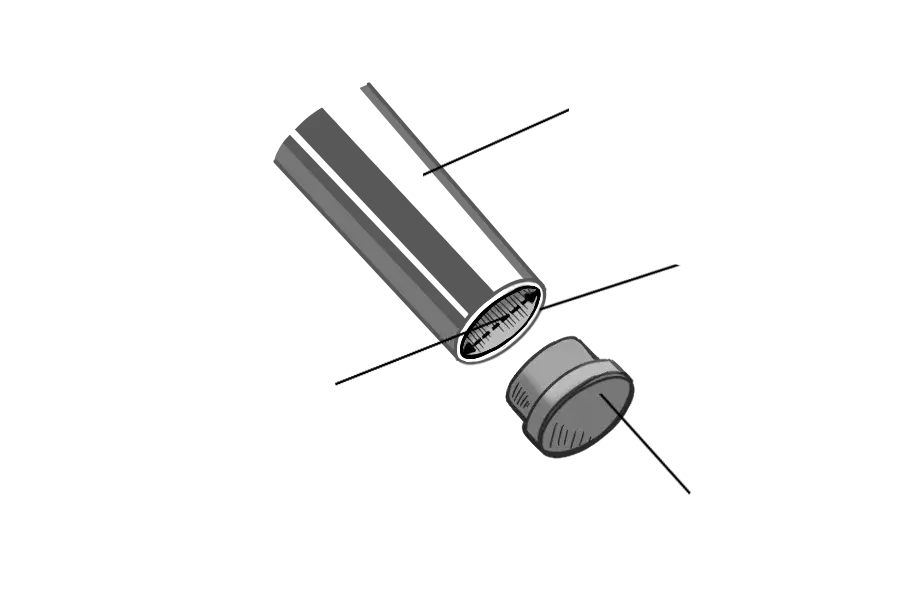
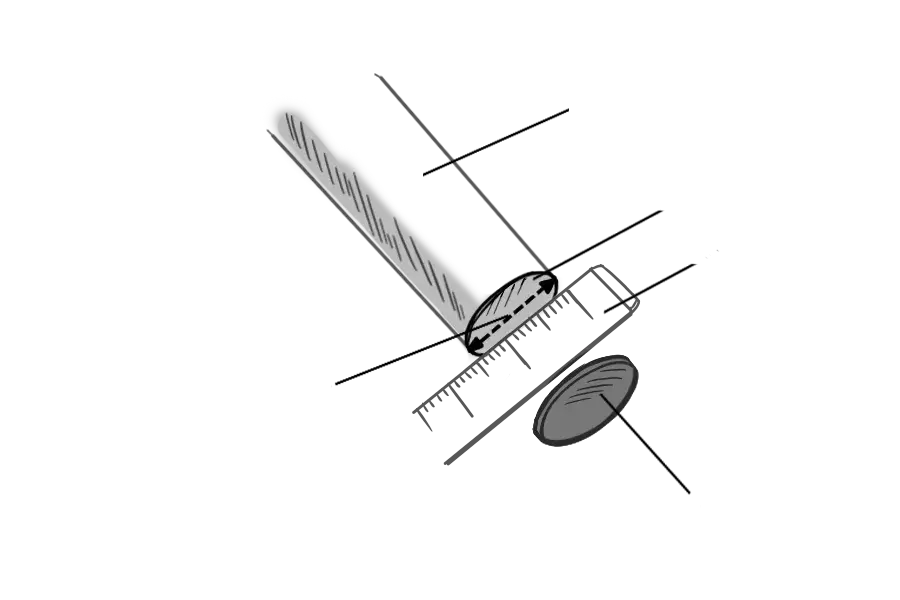
In the interest of receiving the best floor protection, prevention of scratches or the best glide over a carpeted area it is essential that the furniture pad is the correct size for your furniture. Therefore, we recommend you to flip the furniture upside down and take a measurement of its leg before you place an order with us.
Recommended Furniture Pads by Use Case
Self Adhesive Pads
Self-adhesive pads are a simple yet effective way to protect your floors and extend the life of your furniture. They are designed to fit a wide range of furniture legs, including chairs, tables, and cabinets. These pads help prevent scratches, reduce noise, and make moving furniture easier. They come in different shapes and materials such as felt, cork, or rubber, so you can choose the ones that best match your needs and style. Adding them is a small upgrade that makes a big difference in everyday comfort and care for your home.
Non Slip Furniture Pads
Non slip furniture pads are a practical accessory that helps keep your furniture securely in place while protecting your floors. They are especially useful for chairs, sofas, and tables that tend to slide on smooth surfaces such as hardwood, tile, or laminate. By adding these pads, you reduce the risk of scratches, prevent unwanted movement, and create a safer, more stable environment in your home. Available in different sizes and materials, they can be matched to your furniture legs and flooring type. It’s a small adjustment that makes everyday living more comfortable and worry‑free.
Furniture Pads for Outdoor Use
Furniture pads for outdoor use are designed to handle the unique challenges of patios, decks, and garden spaces. Unlike indoor pads, they are made from durable materials that resist moisture, temperature changes, and rough surfaces. These pads help protect outdoor flooring from scratches, reduce noise when moving chairs or tables, and provide extra stability on uneven ground. Available in weather‑resistant options such as rubber or heavy‑duty felt, they can be matched to different types of outdoor furniture legs. Adding them is a practical way to extend the life of your furniture and keep your outdoor areas looking well cared for.
Furniture Pads with Rivets
Furniture pads with rivets are a sturdy option for protecting floors and securing furniture legs. Unlike adhesive pads, these are fastened directly into the furniture, which makes them less likely to shift or wear out over time. They are especially useful for heavy furniture or pieces that see frequent movement, such as dining chairs or bar stools. By providing a permanent attachment, riveted pads offer reliable protection against scratches and scuffs while maintaining stability. Available in different sizes and materials, they can be matched to your furniture style and flooring type. Choosing riveted pads is a practical way to ensure long‑lasting care for both your furniture and your floors
Furniture Pads in Rubber
Rubber furniture pads are a reliable choice for protecting floors and keeping furniture steady. Their non‑slip surface helps prevent chairs, tables, and other pieces from sliding, which makes them especially useful on smooth flooring such as tile or hardwood. Rubber pads also absorb impact and reduce noise, creating a quieter and more stable environment at home. Available in different sizes and thicknesses, they can be matched to a variety of furniture legs and floor types. Choosing rubber pads is a simple way to add both protection and stability to your everyday living spaces.
Furniture Pads for Beds
Furniture pads for beds are a practical way to protect your floors and keep heavy bed frames stable. Because beds often remain in one place for long periods, the weight can leave marks or scratches on hardwood, laminate, or tile surfaces. Adding pads to the legs helps distribute the pressure more evenly, prevents damage, and reduces noise when the bed is moved for cleaning or rearranging. They also provide extra grip, which keeps the frame from sliding and ensures a secure setup. Available in durable materials such as rubber, felt, or cork, these pads can be matched to your flooring type for long‑lasting protection. It’s a small addition that makes a big difference in maintaining both comfort and care in the bedroom.
Furniture Pads for Tables
Furniture pads for tables are a simple way to protect your floors and keep your dining or work areas stable. Tables often carry significant weight and are moved for cleaning, rearranging, or everyday use, which can leave marks or scratches on hardwood, tile, or laminate surfaces. Adding pads to the legs helps prevent damage, reduces noise, and makes shifting the table smoother and safer. They are available in different materials such as felt, cork, or rubber, allowing you to choose the option that best matches your flooring and furniture style. It’s a small addition that ensures both your floors and your table remain in excellent condition over time.
Furniture Pads for Rugs
Furniture pads for rugs are designed to improve stability and protect flooring beneath carpets or area rugs. On soft surfaces, furniture legs can sink over time, causing uneven weight distribution and difficulty when moving furniture. Pads made from plastic or metal help furniture glide more easily on rugs while preventing damage to both the rug fibers and the floor underneath.
Furniture Pads for Tiles
Furniture pads for tiles are designed to protect delicate surfaces from scratches and chips while keeping furniture stable. Tile flooring can be prone to marks when heavy chairs, tables, or cabinets are moved, and pads provide a simple way to prevent this. They also help reduce noise and make shifting furniture smoother, which is especially useful in kitchens, dining areas, or living rooms with tiled floors. Available in materials such as felt, cork, or rubber, these pads can be matched to your furniture legs and the type of tile you have. Adding them is a small step that helps preserve the beauty of your floors and makes everyday living more comfortable.
Furniture Pads in Silicone
Silicone furniture pads are a versatile option for protecting floors and keeping furniture secure. Their soft yet durable material provides excellent grip, which helps prevent chairs, tables, and other pieces from sliding on smooth surfaces. Silicone also resists wear and tear, making these pads a long‑lasting choice for busy households. In addition to protecting against scratches, they absorb impact and reduce noise, creating a quieter and more comfortable environment. Available in different sizes and shapes, silicone pads can be matched to a wide range of furniture legs and flooring types. Adding them is a simple upgrade that combines durability, stability, and everyday convenience.
On-Top Furniture Pads
On‑top furniture pads are designed to sit directly on the surface of furniture legs, offering a quick and convenient way to protect floors. Unlike adhesive or riveted pads, these simply rest on top, making them easy to apply and replace without tools or sticky backing. They are especially useful for larger furniture pieces such as sofas, beds, or cabinets, where frequent movement is less common but floor protection is still important. On‑top pads help prevent scratches, reduce noise, and add stability, while their removable design makes them practical for temporary setups or rental spaces. Available in different sizes and materials, they can be matched to a variety of furniture styles and flooring types. Choosing on‑top pads is a straightforward way to safeguard your floors with minimal effort.
Furniture Pads for Outdoor
Furniture pads for outdoor use are specially designed to withstand the elements while protecting your patio, deck, or garden surfaces. Unlike standard indoor pads, these are made from durable, weather‑resistant materials that can handle moisture, temperature changes, and rough ground. They help prevent scratches on outdoor flooring, reduce noise when moving chairs or tables, and add stability on uneven surfaces. Available in options such as rubber or heavy‑duty felt, they can be matched to different types of outdoor furniture legs. Adding outdoor pads is a practical way to extend the life of your furniture and keep your outdoor spaces looking well cared for.
Choosing the right furniture pads is a small decision that makes a long-term difference for your floors, furniture, and everyday comfort. With the right material, size, and mounting method, furniture pads become a simple but powerful way to protect your home.
Have a look, you might find more interesting furniture pad options right here.
FAQ
Q: Can I use furniture pads on laminate or vinyl flooring?
Yes, furniture pads are highly recommended for laminate and vinyl floors. These surfaces are prone to dents, scratches, and pressure marks from furniture legs. Felt or smooth-surface pads help distribute weight evenly while allowing furniture to move without damaging the floor.
Q: How often should I replace furniture pads?
High-quality furniture pads can last for years, depending on usage and furniture weight. We recommend checking them at least once a year for compression, peeling, or thinning. Replace felt pads when they become worn flat, and replace adhesive pads if the bond weakens.
Q: Will furniture pads work on uneven floors?
Furniture pads perform best on level surfaces. On uneven floors, pads may wear unevenly or lose contact with the floor. In these cases, adjustable furniture glides or leveling feet are a better long-term solution.
Q: Can I stack multiple furniture pads for heavy furniture?
Stacking pads is not recommended, as it can cause instability and uneven weight distribution. For heavy furniture, choose thicker or heavy-duty pads designed to handle higher loads instead of layering multiple pads.
Q: Do I need different furniture pads for different rooms?
Not necessarily. The same type of furniture pad can be used throughout the home as long as it suits the flooring type and furniture weight. That said, you may choose different pad materials. For example, felt in living areas and rubber pads in kitchens for performance or aesthetic reasons.