
Most Efficient Outdoor Furniture Pads
Outdoor furniture lives a tough life. Rain, UV exposure, temperature swings, rough stone, wood decking, and concrete all take a toll, not just on your furniture, but on the surfaces underneath. The most efficient outdoor furniture pads are designed to handle these conditions while protecting floors, reducing noise, improving stability, and extending the lifespan of your furniture.
This in-depth guide walks you through what outdoor furniture pads are, why they matter, how to choose and install them correctly, and which types work best for different outdoor setups.
What Are Outdoor Furniture Pads?
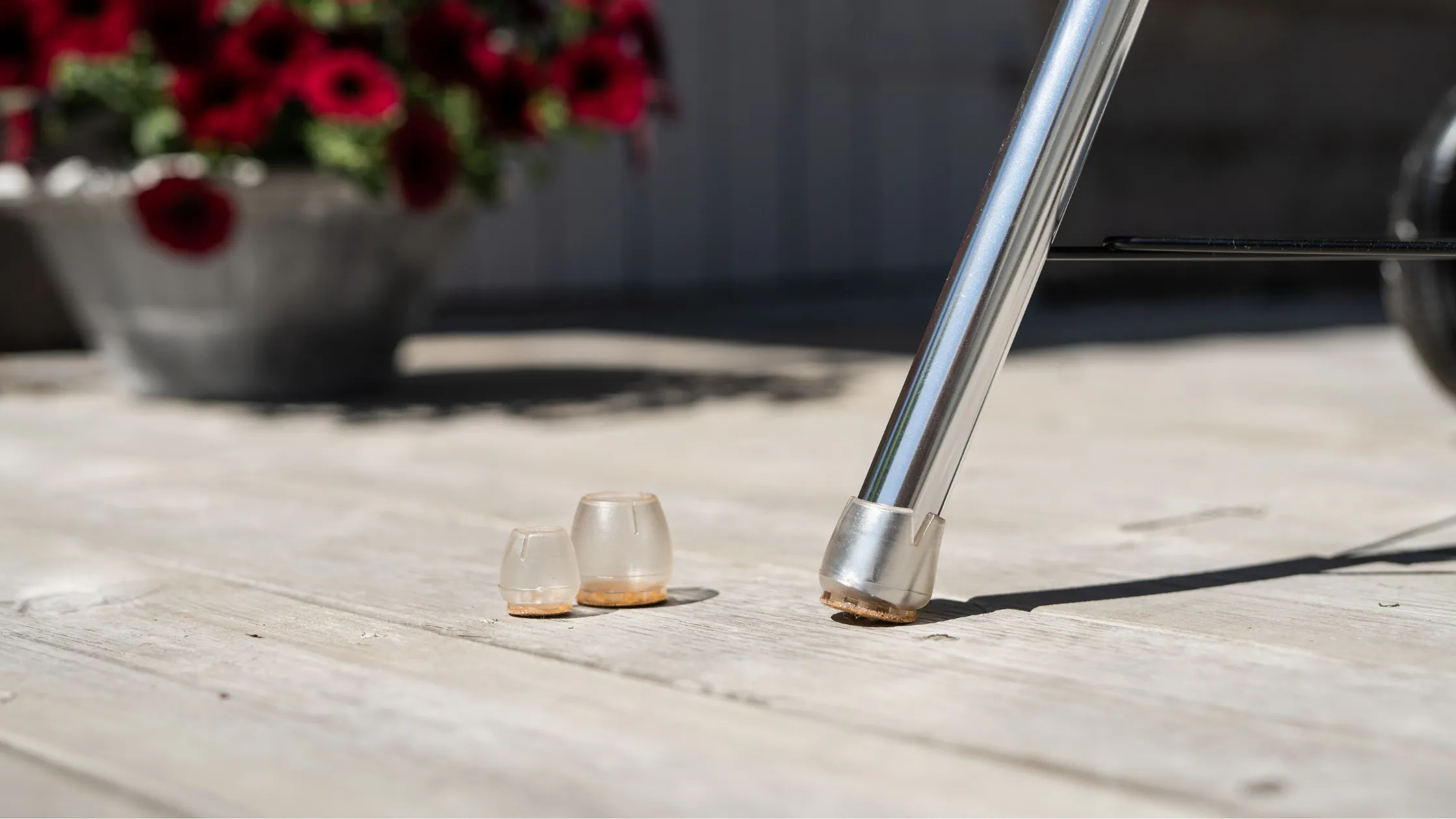
Outdoor furniture pads are protective attachments fitted to the bottom of furniture legs used outside,on patios, balconies, decks, gardens, and terraces. Unlike indoor pads, outdoor versions are engineered with weather-resistant materials that won’t absorb water, crack in cold temperatures, or degrade under direct sunlight.
They serve multiple purposes:
- Protect outdoor flooring from scratches, dents, and wear
- Reduce noise when moving chairs or tables
- Improve grip and stability on uneven or slippery surfaces
- Help furniture glide smoothly when repositioned
Outdoor pads are available in materials such as rubber, plastic, composite polymers, and reinforced felt, and can be matched to different leg shapes and surface types.
Benefits of Using Outdoor Furniture Pads
Using the right outdoor furniture pads delivers both immediate and long-term benefits.
Surface Protection
Stone tiles, composite decking, treated wood, and concrete can all be damaged by repeated friction or pressure. Outdoor pads act as a barrier, preventing scratches, scuff marks, and permanent indentations.
Weather Resistance
Efficient outdoor pads are moisture-proof and UV-stable, meaning they won’t swell, rot, or fall apart after rain or sun exposure.
Noise Reduction
Dragging chairs across a patio or balcony can be surprisingly loud. Pads reduce friction and dampen sound, making outdoor spaces more pleasant—especially in apartments or shared buildings.
Improved Stability
On uneven ground, furniture can wobble and feel unsafe. Proper pads add grip and balance, especially for lightweight chairs and tables.
Extended Furniture Lifespan
By reducing direct contact between furniture legs and harsh outdoor surfaces, pads minimize wear on the furniture itself, preventing corrosion, splitting, or deformation.
Outdoor Furniture Pads Application (Which Furniture Uses Them?)
Outdoor furniture pads are suitable for nearly all exterior furniture types, including:
- Patio chairs and dining chairs – to protect decking and reduce noise
- Outdoor tables – to prevent scratching and improve stability
- Loungers and sunbeds – especially on stone or concrete surfaces
- Balcony furniture sets – ideal for small spaces with sensitive flooring
- Garden benches – to reduce moisture contact with the ground
- Outdoor sofas and side tables – for weight distribution and floor protection
Any furniture that rests directly on an outdoor surface can benefit from properly selected pads.
How to Mount Outdoor Furniture Pads
Correct installation is essential for efficiency and durability.
Step-by-Step Installation
- Turn the furniture upside down to access the legs easily.
- Clean the leg ends thoroughly—remove dirt, grease, moisture, and dust.
- Choose the right attachment type:
- Press-in or nail-in pads for wooden legs
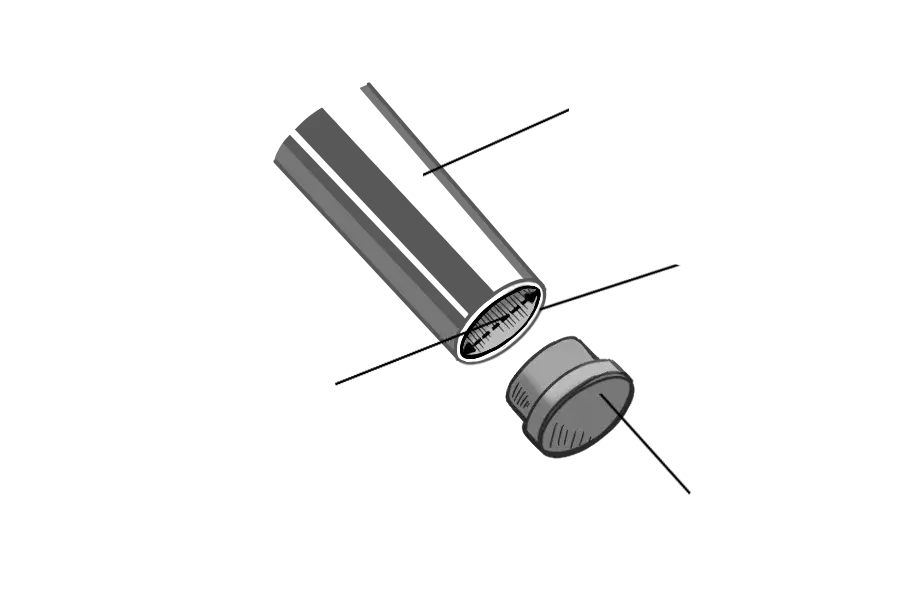
- Push-in inserts for hollow metal legs
- Adhesive pads for flat, smooth leg bases
Attach the pad firmly, ensuring full contact and proper alignment.
Let adhesive pads cure (if applicable) before placing furniture back upright.
For outdoor use, press-in or mechanical attachments generally last longer than adhesive-only solutions.
How to Choose the Right Size
Choosing the correct size is critical for both protection and performance.
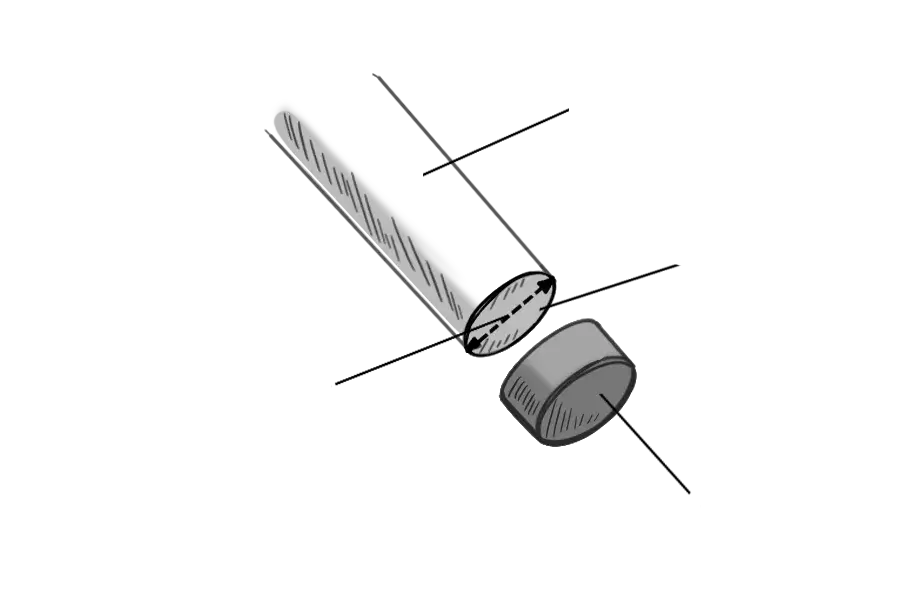
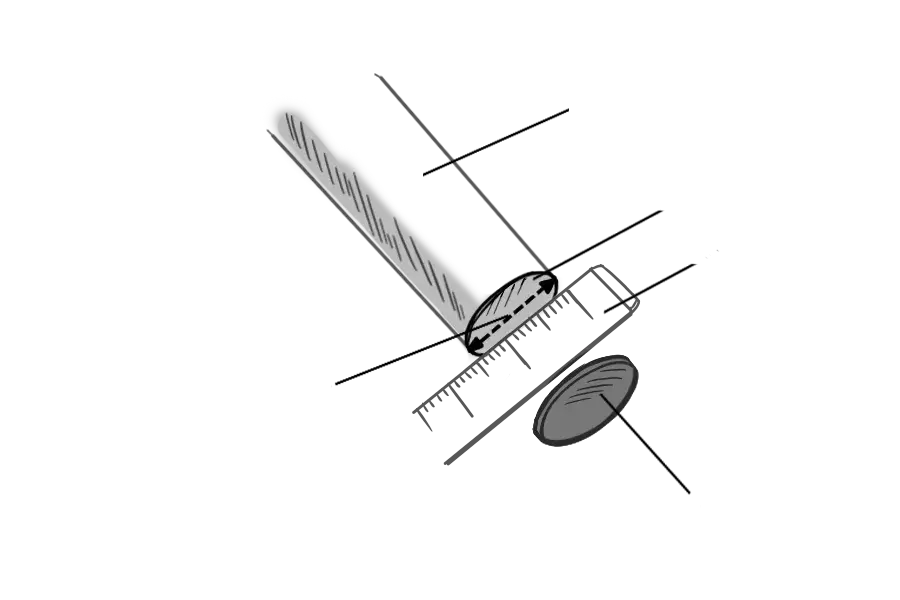
In the interest of achieving the best floor protection, maximum scratch prevention, or smooth gliding on outdoor surfaces, the furniture pad must match the furniture leg precisely.
Best practice:
- Turn the furniture upside down
- Measure the diameter or width of the leg base
- Match the pad size as closely as possible
Pads that are too small can dig into surfaces or fall off. Pads that are too large may look untidy and reduce stability.
Recommended Outdoor Furniture Pads by Use Case
For Stone, Tile, or Concrete Patios
- Hard plastic or composite glides
- Durable, moisture-proof, and easy to move
- Ideal for frequent repositioning
For Wooden Decking
- Rubber or rubber-coated pads
- Excellent grip and scratch prevention
- Prevents sliding and surface wear
For Uneven or Slippery Surfaces
- Non-slip rubber pads
- Adds friction and stability
- Great for balconies and exposed terraces
For Lightweight Chairs and Tables
- Protective leg caps
- Shield legs from moisture and abrasion
- Clean, minimal appearance
For High-Traffic Outdoor Areas
- Heavy-duty outdoor glides
- Designed for repeated movement
- Long service life with minimal maintenance
Choosing the most efficient outdoor furniture pads is a small upgrade with a big impact. The right pads protect your outdoor surfaces, reduce noise, improve stability, and extend the life of your furniture while keeping patios, decks, and balconies looking clean and well maintained.
Measure carefully, choose weather-resistant materials, and match the pad type to your outdoor surface for the best long-term results.
FAQ: Outdoor Furniture Pads
What material is best for outdoor furniture pads?
Rubber and hard plastic are generally the most efficient materials for outdoor use due to their water resistance, durability, and grip.
Can indoor furniture pads be used outdoors?
Not recommended. Indoor pads—especially felt—absorb moisture and break down quickly when exposed to rain or temperature changes.
Do outdoor furniture pads prevent rust?
Yes. By lifting furniture legs slightly off wet surfaces, pads reduce prolonged moisture contact, helping to slow corrosion on metal furniture.
How often should outdoor furniture pads be replaced?
It depends on usage and surface type, but high-quality outdoor pads typically last one to several seasons. Inspect them periodically for wear or loosening.
Will pads work on uneven ground?
Pads improve stability, but for severely uneven surfaces, adjustable glides or leveling feet may be a better solution.