
Best Furniture Glides: Everything You Need to Know
Furniture glides are a simple yet highly effective solution for protecting floors while making everyday furniture movement effortless. Attached to the bottom of furniture legs, they reduce friction, prevent scratches and dents, and allow chairs and tables to slide smoothly across hardwood, tile, laminate, carpet, and more. By choosing the right material, size, and mounting style, you can improve mobility, minimize noise, and extend the life of both your furniture and flooring. This guide covers everything you need to know to choose the best furniture glides for your home.
What Are Furniture Glides?
Furniture glides are protective attachments designed to make moving furniture easier while preventing damage to floors. They are installed on the bottom of furniture legs and allow chairs, tables, and other pieces to slide smoothly across different surfaces without scratching, denting, or leaving marks.
Unlike furniture pads, which focus primarily on cushioning and grip, furniture glides are specifically engineered for mobility. They are ideal for furniture that is moved frequently, such as dining chairs, office chairs, bar stools, and lightweight tables. Furniture glides come in a variety of materials, plastic, metal, felt, nylon, or combinations of these to suit different flooring types and furniture weights.
Using the right furniture glides improves everyday functionality while protecting both your floors and your furniture.
Why Furniture Glides Matter for Your Floors
Daily furniture movement is one of the most common causes of floor damage. Without protection, dragging furniture concentrates pressure and friction on small contact points, leading to scratches, gouges, and worn finishes over time.
Furniture glides create a controlled sliding surface between furniture legs and floors. They reduce friction, distribute weight more evenly, and prevent the sharp edges of furniture legs from coming into direct contact with delicate surfaces. This is especially important for hardwood, laminate, vinyl, and tile floors, where even small movements can cause visible damage.
In addition to floor protection, furniture glides reduce noise, make cleaning easier, and minimize strain when rearranging or repositioning furniture.
What the Best Furniture Glides
Smooth Glide Performance
High-quality furniture glides are designed to move effortlessly across the intended surface. The material should allow controlled movement without sticking, dragging, or jerking.
Floor Compatibility
Different floors require different glide materials. Felt glides work best on hard floors, while plastic or metal glides are more suitable for carpets and rugs. Choosing the right type ensures optimal performance and protection.
Strength and Durability
The best furniture glides must withstand repeated movement and the full weight of the furniture without cracking, flattening, or wearing down prematurely.
Secure Attachment
A reliable glide stays firmly attached to the furniture leg. Whether mounted with nails, screws, inserts, or adhesive, stability is essential for long-term performance.
Noise Reduction
Well-designed glides reduce scraping and dragging sounds, creating a quieter and more comfortable living or working environment.
Furniture Glide Materials Explained
Choosing the right glide material depends on your flooring type and how the furniture is used.
- Felt glides: Ideal for hardwood, laminate, vinyl, and tile floors. They protect surfaces and allow smooth, quiet movement.
- Plastic glides: Best for carpets and rugs, where felt would drag or compress.
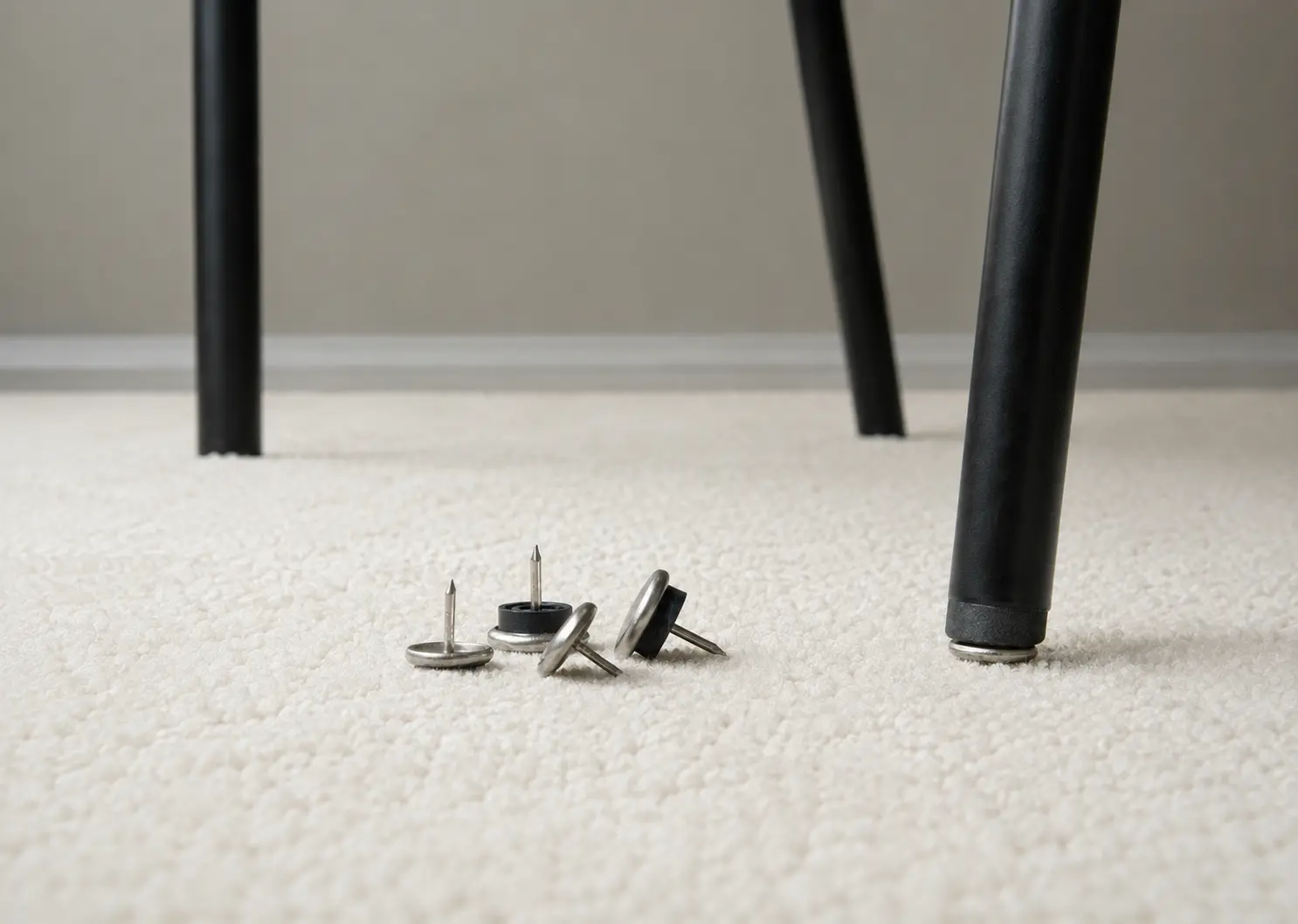
- Metal glides: Designed for heavy furniture on carpeted surfaces, providing durability and ease of movement.
- Nylon glides: A versatile option that offers durability and smooth movement on both hard floors and low-pile carpets.
Each material serves a specific purpose, and selecting the right one ensures both floor protection and ease of use.
How to Mount Furniture Glides
Furniture glides are available in several mounting styles. As with all protective accessories, proper installation starts with cleaning the furniture leg to remove dirt and dust.
Common Mounting Methods
- Nail-in glides: Installed with a hammer, ideal for wooden furniture legs
- Screw-in glides: Provide extra security for heavier furniture
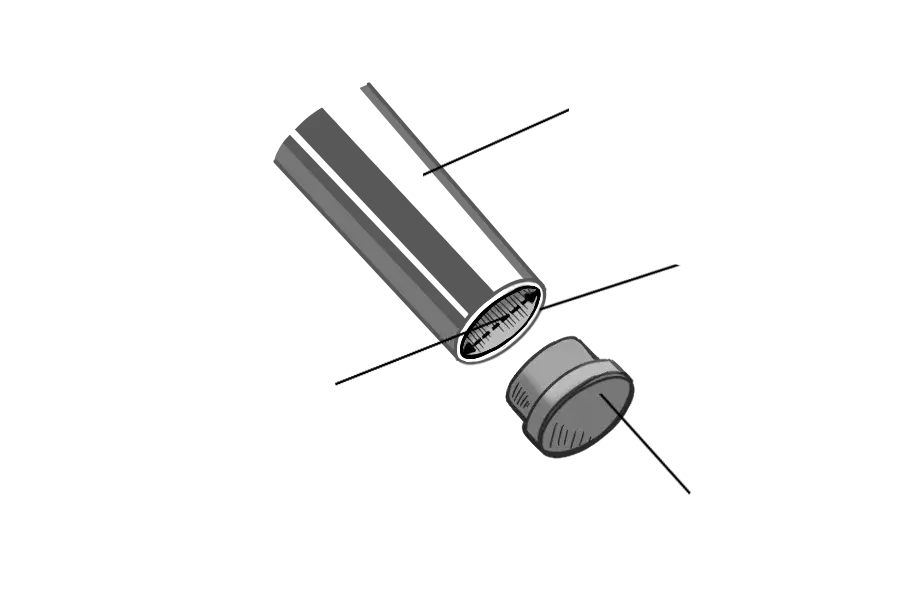
- Push-in or insert glides: Designed for hollow metal legs
- Self-adhesive glides: Easy to apply but best for light furniture and low-movement use
For furniture that is moved frequently, mechanically mounted glides tend to last longer than adhesive options.
How to Choose the Right Size
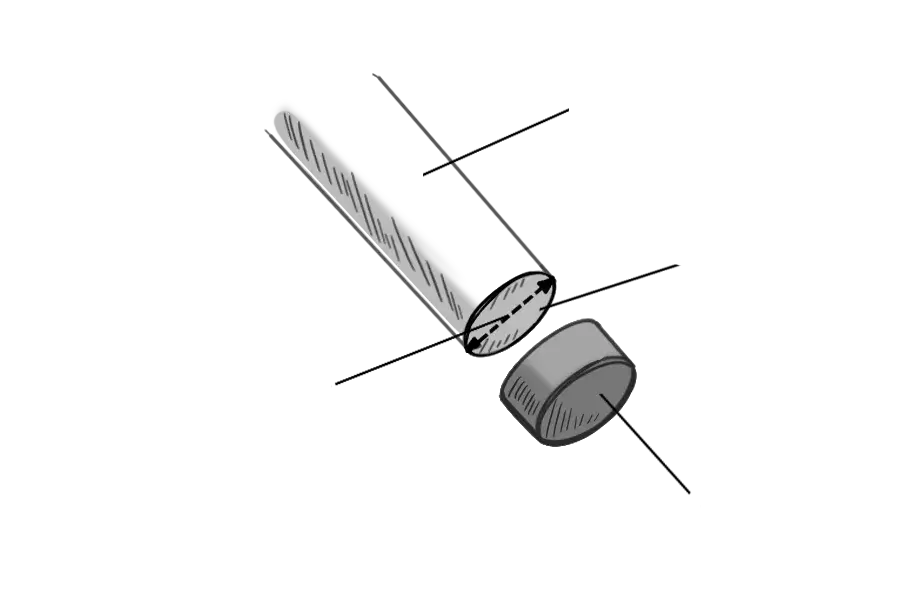
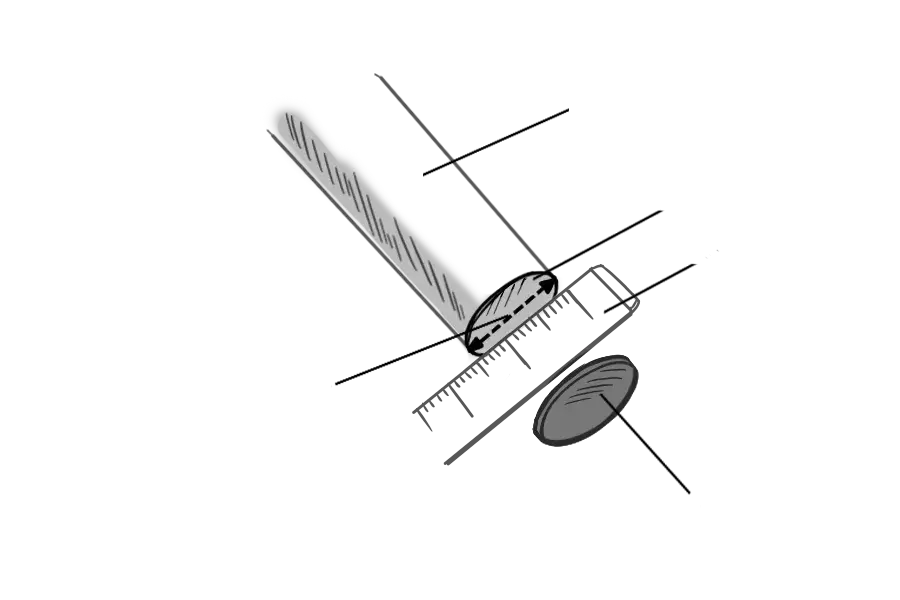
To achieve the best glide performance and prevent floor damage, it is essential that the furniture glide matches the size of the furniture leg.
We recommend that you:
- Turn the furniture upside down
- Measure the diameter or width of the leg base
- Choose a glide that fits snugly without overhang
Incorrect sizing can lead to instability, reduced glide performance, or uneven wear.
Recommended Furniture Glides by Use Case
Furniture Glides for Hardwood and Hard Floors
Felt glides are the best choice for hardwood, laminate, vinyl, and tile floors. They protect delicate finishes while allowing chairs and tables to move smoothly and quietly.
Furniture Glides for Carpets and Rugs
Plastic or metal glides work best on carpeted surfaces. They prevent furniture legs from sinking into the fibers and make repositioning much easier.
Furniture Glides for Dining Chairs
Lightweight felt or nylon glides are ideal for dining chairs, where frequent movement and noise reduction are important.
Furniture Glides for Heavy Furniture
For heavier pieces that still require movement, reinforced plastic or metal glides provide durability and consistent performance.
Furniture Glides vs. Furniture Pads: What’s the Difference?
Furniture glides are designed for movement, while furniture pads focus on protection and stability. If furniture is moved often, glides are the better option. If furniture stays mostly in place, pads or coasters may be more suitable.
Understanding how each solution works helps you choose the right protection for each piece of furniture in your home.
The best furniture glides make everyday life easier while protecting your floors from long-term damage. By choosing the right material, size, and mounting method, you can enjoy smooth movement, reduced noise, and a cleaner, more functional living space.
Furniture glides may be small, but their impact on floor protection, convenience, and comfort is significant.
FAQ
Q: Can furniture glides be used on all floor types?
Yes, as long as the glide material is matched correctly to the flooring type.
Q: Do felt glides work on carpet?
No. Felt compresses into carpet fibers and restricts movement. Plastic or metal glides are better for carpets.
Q: How often should furniture glides be replaced?
Inspect them once or twice a year. Replace glides when they show signs of thinning, cracking, or detachment.
Q: Are adhesive furniture glides reliable?
They work well for light furniture with limited movement. For frequent use, nail-in or insert glides are more durable.