

Most Popular Furniture Coasters: Top-Rated Options for Floor Protection
Furniture coasters are one of the most reliable solutions for protecting floors from the weight of heavy, stationary furniture. Designed to sit beneath furniture legs, furniture coasters distribute pressure evenly to help prevent dents, crushed carpet fibers, and long-term floor damage. Ideal for beds, sofas, cabinets, and large tables, they provide stability without requiring permanent installation. Choosing the right furniture coasters ensures durable floor protection, improved balance, and long-lasting performance in any room of your home.
What Are Furniture Coasters?
Furniture coasters are protective bases placed underneath furniture legs to distribute weight evenly and prevent damage to floors and carpets. Unlike furniture pads or glides, coasters are not attached to the furniture. Instead, the furniture leg rests directly inside or on top of the coaster.
They are especially popular for heavy, stationary furniture such as beds, sofas, cabinets, pianos, and large tables. By increasing the contact surface area between the furniture and the floor, coasters help prevent dents, pressure marks, and long-term structural damage to delicate flooring.
Furniture coasters are available in materials such as rubber, plastic, wood, or combinations of these, and can be matched to both furniture style and floor type.
Why Furniture Coasters Matter for Your Floors
Heavy furniture places enormous pressure on small contact points where legs meet the floor. Over time, this pressure can lead to dents in hardwood, crushed carpet fibers, cracked tiles, or uneven flooring.
Furniture coasters solve this problem by spreading the weight across a wider surface area. Instead of hundreds of pounds pressing into one small point, the load is distributed evenly, reducing the risk of permanent damage. This makes coasters one of the most effective solutions for protecting floors under heavy furniture that is rarely moved.
They also help isolate furniture from moisture, reduce vibration, and prevent furniture legs from sinking into soft surfaces like carpets or rugs.
What Makes Furniture Coasters Popular
Excellent Weight Distribution
The primary function of a furniture coaster is to spread weight evenly. High-quality coasters are designed with wide bases that minimize pressure points.
Floor Protection
Coasters create a protective barrier between furniture legs and flooring, preventing dents, scratches, and compression marks.
Stability for Heavy Furniture
By keeping furniture firmly seated, coasters improve stability and reduce unwanted shifting or tilting over time.
No Installation Required
Because coasters are not permanently attached, they are easy to place, remove, or reposition when needed.
Long-Term Durability
Well-made furniture coasters are designed to handle constant weight without cracking, warping, or wearing down.
Furniture Coaster Materials Explained
Choosing the right material depends on both the furniture weight and the type of floor being protected.
- Rubber coasters: Provide grip and shock absorption, ideal for hard floors
- Plastic coasters: Durable and moisture-resistant, suitable for both hard floors and carpets
- Wooden coasters: Blend well with interior décor and distribute weight effectively
- Combination coasters: Often feature a hard outer shell with a soft or non-slip base for added protection
Each material offers a balance of protection, stability, and aesthetic appeal.
When to Use Furniture Coasters
Furniture coasters are best used when movement is minimal and weight is high.
· Under Heavy Furniture
Beds, wardrobes, sofas, and cabinets benefit from coasters because they remain in place for long periods.
· On Delicate Flooring
Hardwood, laminate, vinyl, and tile floors are especially vulnerable to pressure damage from heavy furniture legs.
· On Carpets and Rugs
Coasters prevent furniture legs from sinking into carpet fibers, keeping furniture level and protecting the carpet structure.
· For Long-Term Floor Protection
If furniture is rarely moved, coasters offer one of the most durable and low-maintenance protection solutions.
How to Choose the Right Furniture Coaster
· Size and Shape
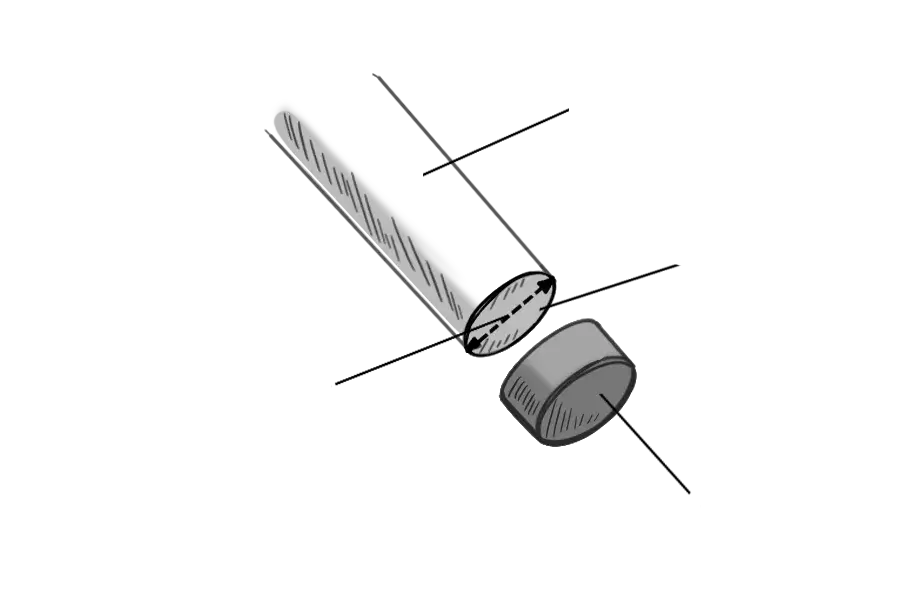
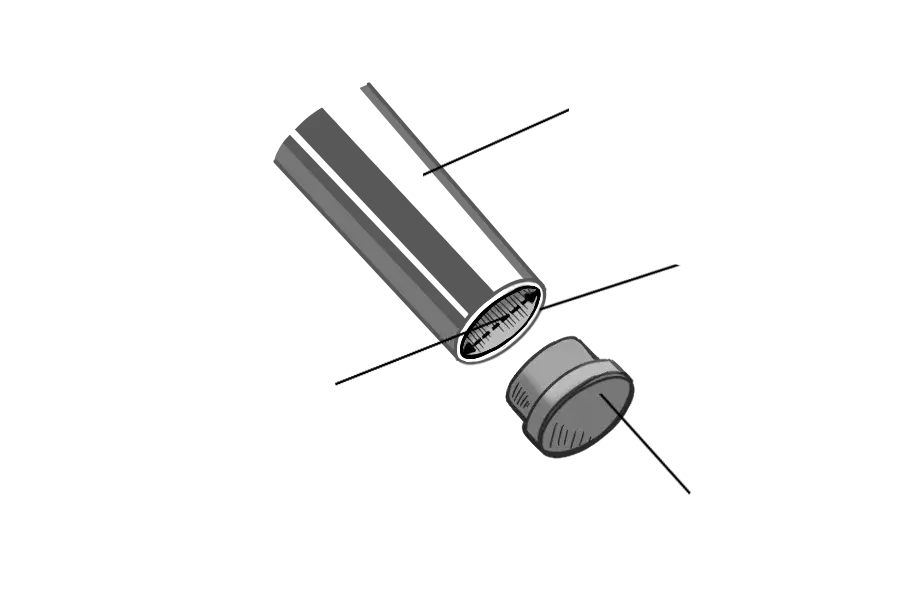
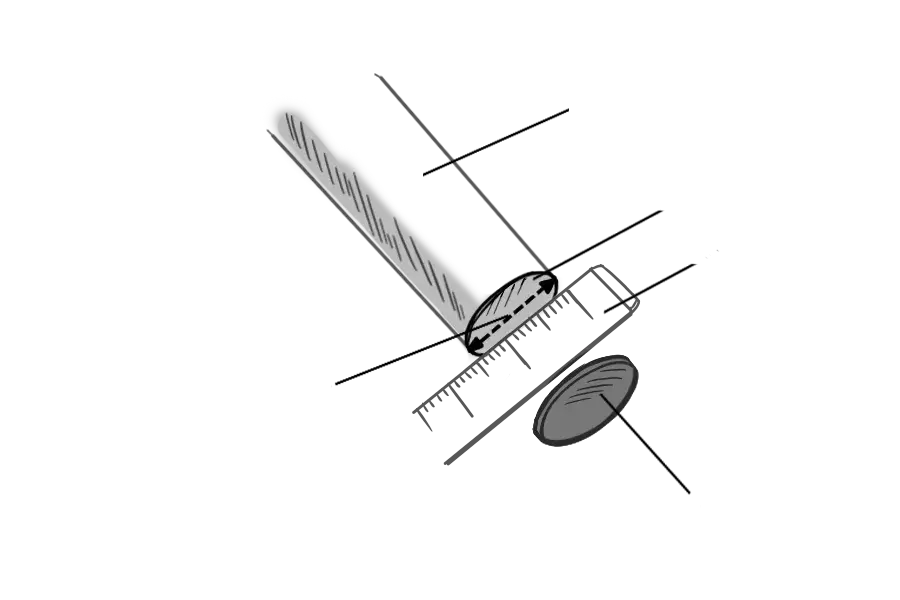
Choose a coaster that fully supports the furniture leg. Round legs pair best with round coasters, while square legs need square or oversized coasters.
· Weight Capacity
Always ensure the coaster is rated to support the weight of your furniture, especially for beds or large cabinets.
· Floor Compatibility
Rubber or soft-bottom coasters work best on hard floors, while rigid coasters perform well on carpets.
· Aesthetic Fit
Since coasters are often visible, choosing a design that complements your furniture can enhance the overall look of the room.
Most Popular Furniture Coasters by Use Case
Furniture Coasters for Beds
Designed to support significant weight and prevent dents or pressure marks on floors and carpets.
Furniture Coasters for Sofas and Cabinets
Help stabilize large furniture pieces while protecting flooring from long-term damage.
Furniture Coasters for Hardwood Floors
Often feature a rubber or felt-lined base to protect delicate finishes.
Furniture Coasters for Carpets
Wide, rigid coasters prevent furniture legs from sinking and keep furniture level.
Furniture Coasters vs. Pads and Glides
Furniture coasters focus on weight distribution and stability, while pads provide cushioning and glides enable movement. Coasters are the best choice for furniture that stays in place and carries significant weight.
Understanding how each solution works helps you choose the right protection for every piece of furniture in your home.
Why Furniture Coasters Remain a Popular Choice
Furniture coasters are one of the most effective solutions for protecting floors under heavy, stationary furniture. They distribute weight evenly, prevent long-term damage, and require no installation, making them both practical and reliable.
For anyone looking to safeguard floors while maintaining stability and simplicity, furniture coasters remain a trusted and popular choice.
FAQ
Q: Do furniture coasters damage floors?
No. When chosen correctly, coasters protect floors by distributing weight and preventing pressure damage.
Q: Can furniture coasters be used on all floor types?
Yes. There are coaster designs suitable for hardwood, laminate, tile, vinyl, and carpeted floors.
Q: Will furniture coasters slide on hard floors?
Some coasters include non-slip bases to prevent movement. Choosing the right material is key.
Q: Are furniture coasters reusable?
Yes. Because they are not permanently attached, coasters can be reused when rearranging or moving furniture.