
When to Use Non-Slip Furniture Pads: Quick Guide
Non-slip furniture pads are essential when stability and floor protection matter more than movement. Designed to keep furniture securely in place, non-slip furniture pads create friction between furniture legs and smooth surfaces like hardwood, tile, laminate, and vinyl, helping prevent unwanted sliding, noise, and floor damage. Ideal for beds, sofas, tables, and chairs in high-traffic areas, they enhance safety, reduce vibration, and maintain alignment over time. If you’re unsure which furniture pads are right for your needs, this guide will help you understand exactly when to use non-slip furniture pads, and when they’re the smarter choice over other options.
What Are Non-Slip Furniture Pads?
Non-slip furniture pads are protective accessories designed to keep furniture firmly in place while protecting floors from scratches, dents, and wear. Unlike glides, which prioritize smooth movement, non-slip pads focus on grip and stability. They are installed on the bottom of furniture legs and create friction between the furniture and the floor, preventing unwanted sliding.
These pads are especially useful on smooth surfaces such as hardwood, tile, laminate, or vinyl, where furniture tends to shift easily. Made from materials like rubber, silicone, or textured composites, non-slip furniture pads help maintain a stable, quiet, and safe living environment.
Why Non-Slip Furniture Pads Matter
Furniture that slides unintentionally can cause more problems than you might expect. Chairs shifting while sitting down, sofas creeping forward over time, or tables moving during use can lead to floor damage, noise, and safety concerns.
Non-slip furniture pads address these issues by creating a secure contact point between furniture legs and the floor. They absorb small movements, reduce vibration, and prevent furniture from drifting out of position. This not only protects flooring but also improves comfort and usability in everyday life.
For homes with children, pets, or high foot traffic, non-slip pads add an extra layer of safety by reducing the risk of tipping or sudden movement.
When Should You Use Non-Slip Furniture Pads?
Non-slip furniture pads are the best choice in situations where stability is more important than mobility.
On Smooth or Slippery Floors
Hardwood, tile, laminate, and vinyl floors allow furniture to slide easily. Non-slip pads provide the necessary grip to keep furniture in place without damaging the surface.
For Furniture That Should Stay Put
Beds, sofas, cabinets, sideboards, and desks are typically not moved often. Non-slip pads prevent gradual shifting and help maintain alignment over time.
In High-Traffic Areas
Dining rooms, kitchens, entryways, and offices experience frequent movement around furniture. Non-slip pads prevent chairs and tables from shifting when bumped or used repeatedly.
For Safety and Stability
If furniture movement poses a safety risk—such as chairs sliding when someone sits down—non-slip pads are a practical solution that improves stability and confidence.
What Makes a Good Non-Slip Furniture Pad
Strong Grip
The primary function of a non-slip pad is friction. High-quality pads use rubberized or textured surfaces that hold firmly against smooth flooring.
Floor Protection
Even with added grip, pads must protect floors from scratches and pressure marks. Smooth edges and durable materials help prevent surface damage.
Durability
Non-slip pads should maintain their grip over time without cracking, flattening, or losing elasticity under constant weight.
Noise Reduction
By absorbing small movements and vibrations, non-slip pads reduce scraping and impact noise, creating a quieter environment.
Secure Attachment
Whether adhesive, press-in, or riveted, a reliable pad must stay firmly attached to the furniture leg to perform consistently.
Non-Slip Furniture Pad Materials Explained
Different materials offer different levels of grip and durability.
-
Rubber pads: Excellent grip and durability, ideal for smooth indoor surfaces
-
Silicone pads: Soft, flexible, and long-lasting with strong anti-slip properties
-
Composite or textured pads: Designed to combine grip with surface protection
Choosing the right material depends on furniture weight, floor type, and how much movement you want to prevent.
How to Mount Non-Slip Furniture Pads
Before mounting, always clean the furniture leg to remove dust, grease, and moisture.
Common Mounting Methods
-
Self-adhesive pads: Easy to apply, best for light to medium furniture
-
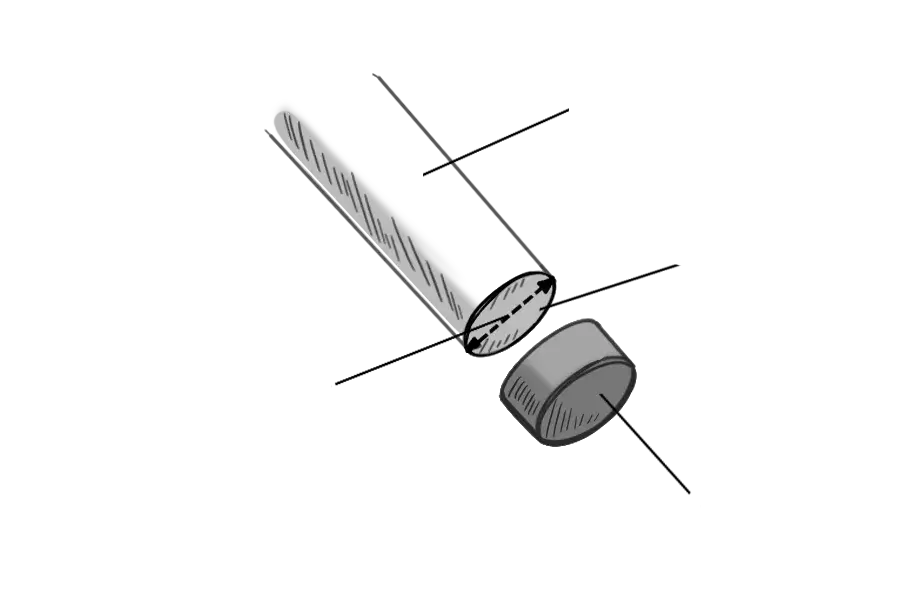
Press-in or nail-in pads: More secure, ideal for wooden legs and heavier furniture
-
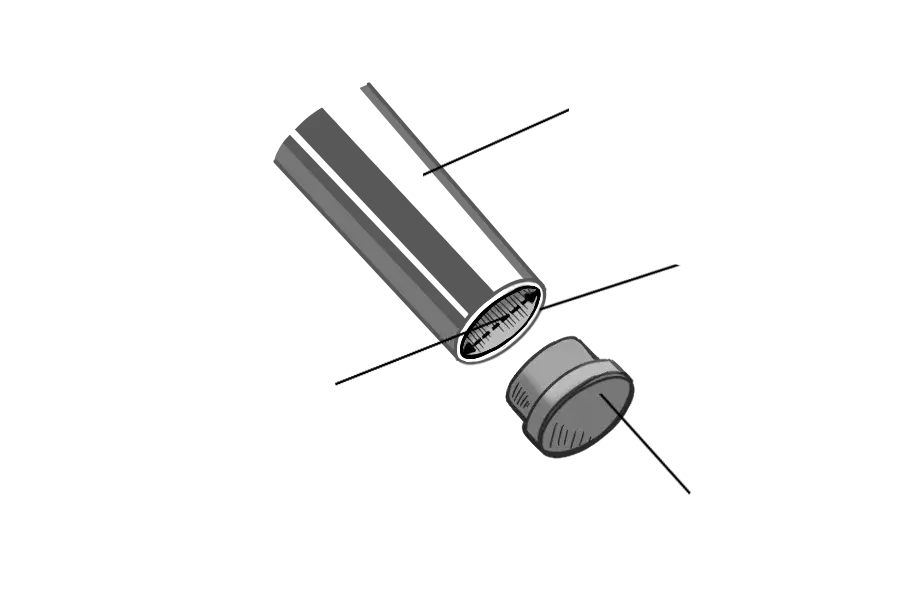
Insert pads: Designed for hollow metal furniture legs
For furniture that bears significant weight or sees long-term use, mechanically mounted pads tend to last longer than adhesive options.
How to Choose the Right Size
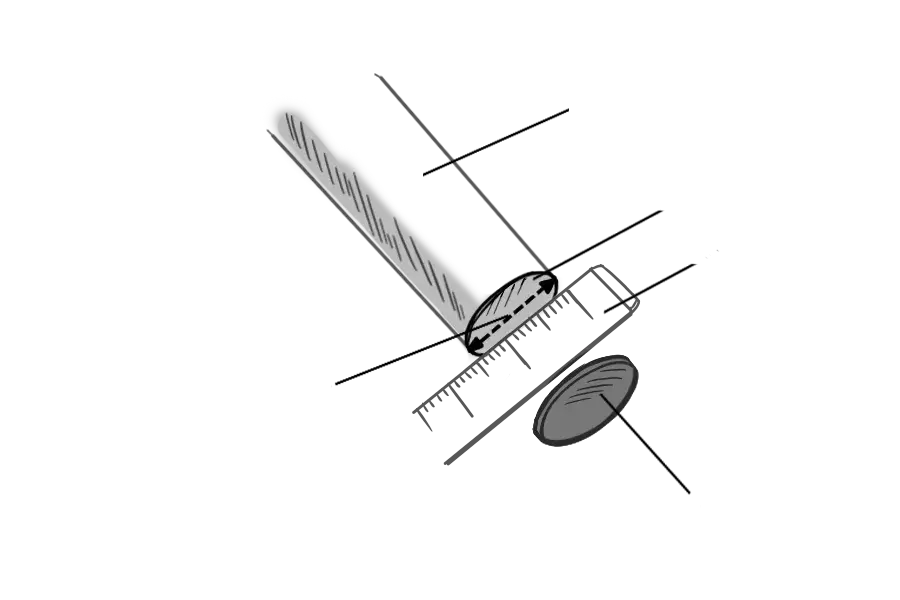
To achieve maximum grip and stability, non-slip furniture pads must match the size of the furniture leg.
We recommend that you:
-
Turn the furniture upside down
-
Measure the diameter or width of the leg base
-
Select a pad that fully covers the contact area
Pads that are too small may slip or wear unevenly, while oversized pads can affect balance and appearance.
Recommended Non-Slip Furniture Pads by Use Case
Non-Slip Pads for Chairs
Ideal for dining chairs or office chairs where sliding is an issue. Rubber or silicone pads provide grip while reducing noise.
Non-Slip Pads for Beds and Sofas
Heavy furniture benefits from durable, non-slip pads that prevent slow movement and protect floors from pressure marks.
Non-Slip Pads for Tables and Desks
Keeps tables stable during use, especially on smooth floors where even slight movement can be disruptive.
Non-Slip Pads for Tile and Laminate Floors
Rubber or silicone pads offer grip without scratching delicate surfaces.
Non-Slip Furniture Pads vs. Furniture Glides
Non-slip furniture pads are designed to prevent movement, while furniture glides are meant to enable smooth movement. If furniture should remain stationary, non-slip pads are the better choice. If frequent repositioning is needed, glides are more suitable.
Understanding this distinction helps you choose the right solution for each room and furniture type.
When Non-Slip Furniture Pads Are the Best Choice
Non-slip furniture pads are ideal when stability, safety, and floor protection are the priority. They prevent unwanted movement, reduce noise, and help maintain a secure and comfortable living space.
Choosing the right material, size, and mounting method ensures long-lasting performance and peace of mind—proof that a small accessory can make a meaningful difference.
FAQ
Q: Do non-slip furniture pads damage floors?
No. High-quality pads are designed to protect floors while providing grip, as long as the correct material is chosen.
Q: Can non-slip pads be used on carpets?
They are less effective on carpets. Furniture glides or metal/plastic solutions work better on soft surfaces.
Q: How often should non-slip furniture pads be replaced?
Inspect them once a year or if furniture begins to move unexpectedly. Replace pads that have hardened, cracked, or lost grip.
Q: Are non-slip pads better than felt pads?
They serve different purposes. Felt pads are better for smooth movement, while non-slip pads are best for keeping furniture in place.